 Bryn St Peter's CE Primary School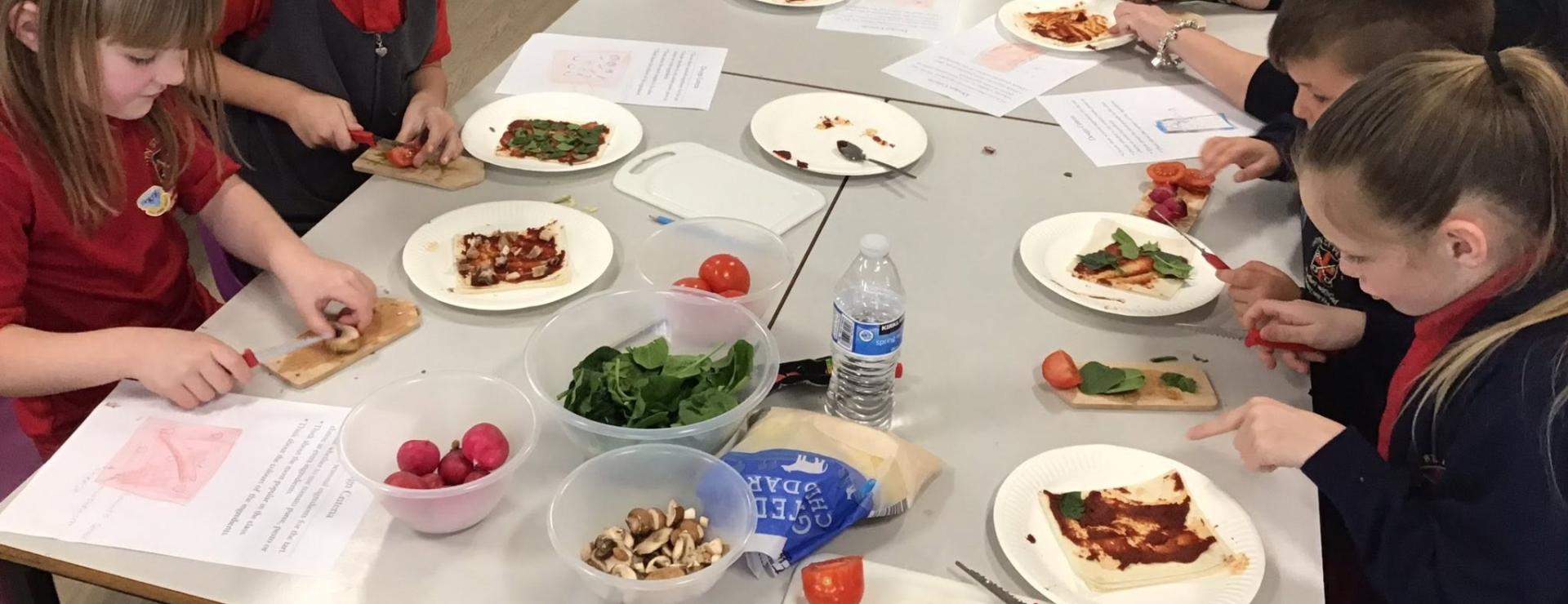

Design and Technology
Intent
In Design Technology we aim to inspire pupils to be innovative and creative thinkers who have an appreciation for the product design cycle through ideation, creation and evaluation. We want pupils to develop the confidence to take risks, through drafting design concepts, modelling and testing and to be reflective learners who evaluate their work and the work of others. Through our scheme of work, we aim to build an awareness of the impact of design and technology on our lives and encourage pupils to become resourceful, enterprising citizens who will have the skills to contribute to future design advancements.
Implementation
The Design and Technology National Curriculum outlines the three main stages of the design process: design, make and evaluate. Each stage of the design process is underpinned by technical knowledge which encompasses the contextual, historical, and technical understanding required for each strand. Cooking and nutrition has a separate section, with a focus on specific principles, skills and techniques in food, including where food comes from diet and seasonality.
The National Curriculum organises the Design and Technology attainment targets under five subheadings or strands: Design, make, evaluate, technical knowledge, cooking and nutrition. In our scheme of work, we have a clear progression of skills and knowledge within these five strands across each year group.
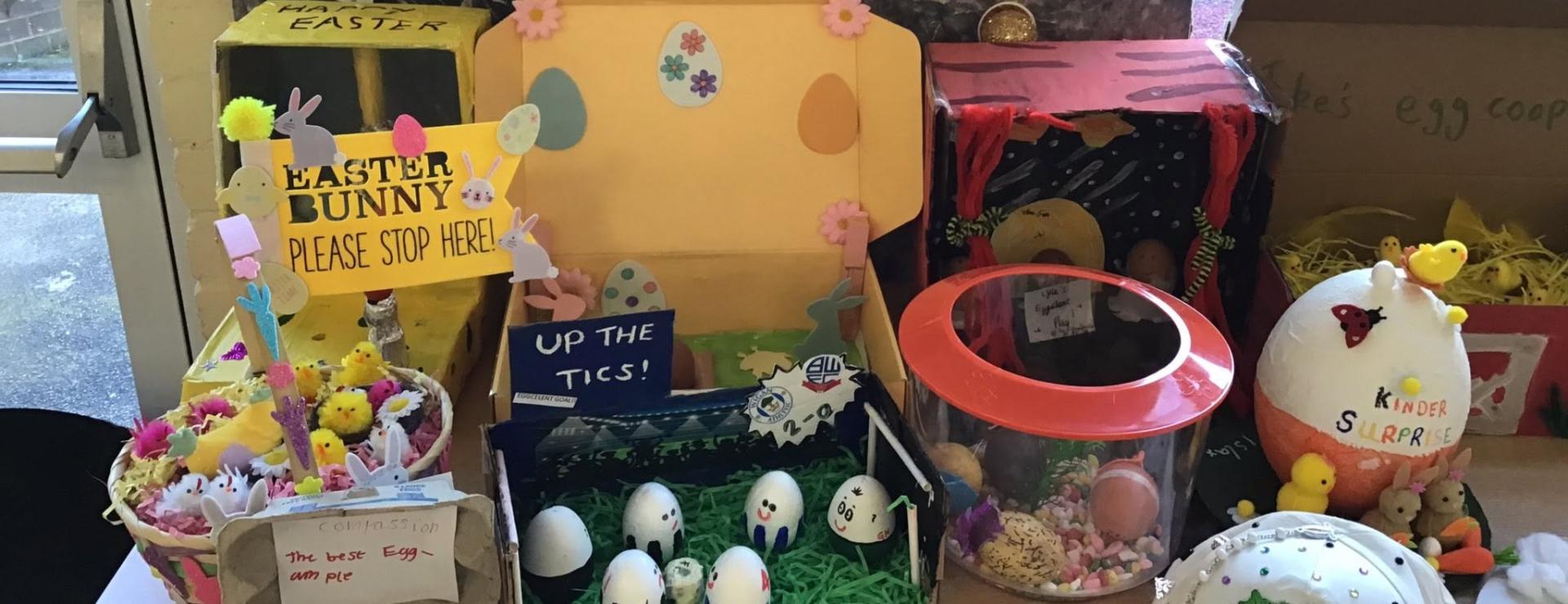
Lessons incorporate a range of teaching strategies from independent tasks, paired and group work including practical hands-on, computer -based and inventive tasks.
Impact
The impact of our curriculum is constantly monitored through both formative and summative assessment opportunities.
Our implementation of our curriculum means pupils leave school equipped with a range of skills to enable them to succeed in their secondary education and be innovative and resourceful members of society.
The expected impact of our curriculum is that children will:
- Understand the functional and aesthetic properties of a range of materials and resources.
- Understand how to use and combine tools to carry out different processes for shaping, decorating and manufacturing products.
- Build and apply a repertoire of skills, knowledge and understanding to produce high quality, innovative outcomes, including models, prototypes, CAD, and products to fulfil the needs of users, clients and sceneries.
- Understand and apply the principles of healthy eating, diets and recipes, including key processes, food groups and cooking equipment.
- Have an appreciation for key individuals, inventions and events in history and of today that impact our world.
- Recognise how our decisions can impact the wider world in terms of community, social and environmental issues.
- Self-evaluate and reflect on learning at different stages and identity areas to improve.
- Meet the end of key stage expectations outlined in the National Curriculum.
Design and Technology Inclusion Statement
At our school, we are committed to creating an inclusive environment where every child feels valued, respected, and able to achieve their full potential. We recognise that all pupils are unique, with different strengths, needs, backgrounds and learning styles. We actively promote equality of opportunity and aim to remove barriers to learning so that all children can participate fully in school life.
We celebrate diversity and foster a culture of kindness, understanding, and mutual respect. All staff work collaboratively to support pupils’ academic, social, and emotional development, ensuring that every child feels safe, supported and included.
Design and Technology Adaptation Statement
We understand that some pupils may require additional support or adjustments to access the curriculum effectively. Teaching is therefore adapted to meet the individual needs of all learners through a range of strategies, including adapted tasks, flexible teaching approaches, targeted interventions, and the use of appropriate resources or assistive technologies. We also work closely with parents, carers, and external professionals to ensure that adaptations are meaningful, inclusive, and responsive to each child’s needs. Further details of this can be found within the Design and Technology policy.